Monday, January 11, 2010

Sharpen Your Skills >>>

Sharpen Your Skills

Once upon a time a very strong woodcutter asked for a job with a timber merchant, and he got it. His salary was really good and so were the working conditions. For that reason, the woodcutter was determined to do his best.

His boss gave him an axe and showed him the area where he was supposed to fell the trees. The first day, the woodcutter brought down 15 trees.

" Congratulations," the boss said. " Carry on with your work!"

Highly motivated by the words of his boss, the woodcutter tried harder the next day, but he only could bring 10 trees down. The third day he tried even harder, but he was only able to bring down 7 trees.

Day after day he was bringing lesser number of trees down.

" I must be losing my strength", the woodcutter thought. He went to the boss and apologized, saying that he could not understand what was going on.

" When was the last time you sharpened your axe?" the boss asked.
" Sharpen? I had no time to sharpen my axe. I have been very busy trying to cut trees..."

That's right. Most of us NEVER update our skills. We think that whatever we have learned is very much enough. But good is not good when better is expected. Sharpening our skills from time to time is the key to succes

Friday, January 8, 2010

Fwd: An Invisible Revolution in Rural India


http://online.wsj.com/article/SB126258063197814415.html  

THE WALL STREET JOURNAL, JANUARY 4, 2010

An Invisible Revolution in Rural India 

By MADHUKAR SHUKLA 

Mahua Devi is a petite woman in her early twenties. She cycles through 10 to 12 villages of the Koraput district in Orissa [one of India's most backward states] everyday.

"I help these women keep their accounts," she tells me as we walk towards a group sitting in the shade under a tree

When she says "these women" she is referring to one of India's millions of self-help groups, or SHGs. Each group has 15 to 20 women who pool their tiny savings of only 5 rupees to 10 rupees at a time. They use the money to give loans to members for income-generating investments like chickens, seeds or goats. The interest on the loans then adds to their savings pool.

Driving from the nearest city to the village, I don't see any bank branches. Even if there is a branch, it's unlikely it would be equipped to open even simple savings accounts for these women, given their meager savings, lack of assets and inability to read or write. For most of the village women the SHG is the only bank they have ever had.

Ms. Devi keeps the accounts for 20 groups, for which she gets a commission of 2% of the value of all the transactions. "On average, I earn about 5,000 rupees per month," she tells me.

That, I quickly calculate, works out to 250,000 rupees in cash transactions per month - an amazing economic engine, silently working in one of India's poorest regions.

Self help groups are a transformational phenomenon which has swept the Indian countryside over the last decade and a half. The groups are India's own social innovation. In a country where almost two-thirds of the population have no access to formal financial services, SHGs are a unique route to financial inclusion, increasing incomes and helping build productive assets among the poor.

Though similar groups were promoted by many non-government organizations in the 1980s the turning point of the SHG movement was a pilot project by the National Bank for Agricultural and Rural Development (NABARD) in the early 1990s.

Despite India's network of around 30,000 bank branches in rural areas, a majority of the poor still remained outside the fold of the formal banking system. NABARD studies showed this was because existing bank policies, systems and products were not aligned to meet the financial needs and constraints of the poor. What the poor can earn and save varies widely each day. Meanwhile their tiny savings – as little as 50 rupees per month - make providing banking services to them too expensive for banks.

"The self help groups have gone beyond financial inclusion and become a platform to provide a voice to a marginalized section of society."

To bridge this gap, NABARD and a group of NGOs started a pilot project o 500 groups of women to be used a vehicle for financial intermediation through its SHG-Bank Linkage Program. Typically, these were informal groups of up to 20 women, who would meet regularly and pool their savings.

After saving for six months and proving the group had developed the required fiscal discipline through consistent savings, on-time loan payments and maintaining records the group becomes eligible to be "linked" to the local bank branch. The innovation here was that the group, rather than the individuals in it, could open an account with the bank and use that account to save and take loans.

The pilot was a remarkable success and within a year more than half of the first groups had become eligible for the bank-linkage. Even more impressive was the fact that 90% of the loan payments were on time and there were no defaults. The success of this pilot project sparked the SHG movement which has been an unparalleled, albeit under-reported, revolution in financial inclusion.

The number of bank-linked SHGs crossed 10,000 in five years. By 2004, there were more than one million groups with their own bank accounts. By the year ended this March, the number of groups had grown to about 4.7 million, touching 59 million rural families through their members. Meanwhile, the average loan size per group has increased from 1,137 rupees in 1992 to 74,000 rupees this year. That shows the women's rising capacity to manage, utilize and pay back loans.

So is everything fine with the SHG movement? Not entirely.

According to one 2006 study (EDA Rural Systems and Andhra Pradesh Mahila Abhivruddhi Society's "Self Help Groups in India: A Study of the Light and Shades") the groups still suffer from many inadequacies. For instance, the study found that a large proportion of SHG members remained poor even after being in the groups for seven years. Another report (Access Development Services' "Microfinance in India: The State of the Sector Report 2009") underlined the popularity of SHGs has so far been a regional phenomenon tilted towards the southern and eastern states of India.

In spite of such inadequacies, however, self help groups have emerged as a critical vehicle for creating social equity and empowerment.

I once sat with women from three SHGs in the community hall of Madanpur in Haryana. The women had assembled for a workshop on "legal literacy" organized by a Delhi NGO. There was jubilation in the air and the village women were talking animatedly.

"We got the license of the local liquor shop stopped yesterday," one of the members told me with glee. "It was a drain on us because the men-folk would squander away their earnings, spoil their health, and often physically abuse us. This time we protested and kept the liquor license from being renewed."

The self help groups have gone beyond financial inclusion and become a platform to provide a voice to a marginalized section of society. Some SHGs have become forums for women to discuss everything from health and sanitation to legal rights and human trafficking. They are also being used to promote education and skill building. The groups are so respected now that they have been called upon to implement government and donor-driven programs such as the mid-day meal program for school children and HIV/AIDS awareness campaigns.

Between 2006 and 2008, more than 600,000 new self help groups were linked to banks. Assuming an average group size of around 13 or 14 members, that means more than 400 women are joining a SHG every hour!

Now if that's not a revolution, then what is?

—Madhukar Shukla is a professor of organizational behavior and strategic management at the XLRI School of Business & Human Resources in Jamshedpur.

_____________________________________


Thursday, January 7, 2010

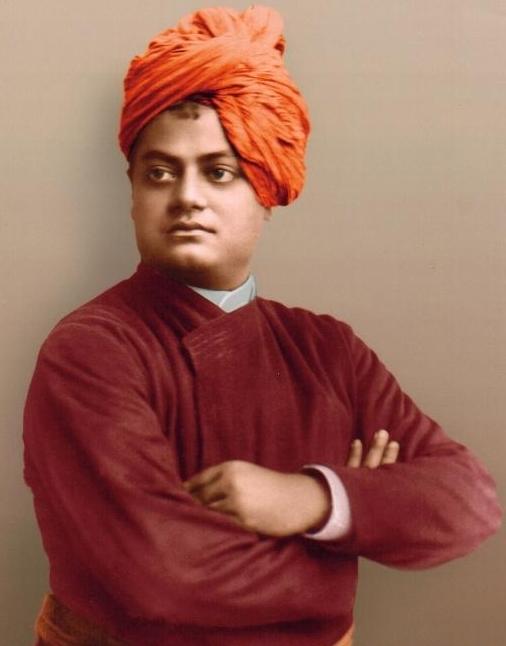
"Education is not the amount of information that put into your brain and remains there, undigested, all your life. We must have life building, man-making, character building, assimilating fine ideas and making them your life and character, you have more education than any man who has got by heart a whole library.” SWAMI VIVEKANAND

story of The bowl

A man and his dog were walking along a road. The man was enjoying the scenery, when it suddenly occurred to him that he was dead.

He remembered dying, and that the dog walking beside him had been dead for years. He wondered where the road was leading them.


After a while, they came to a high, white stone wall along one side of the road. It looked like fine marble.

At the top of a long hill, it was broken by a tall arch that glowed in the sunlight.When he was standing before it he saw a magnificent gate in the arch that looked like mother-of-pearl, and the street that led to the gate looked like pure gold. He and the dog walked toward the gate, and as he got closer, he saw a man at a desk to one side.


When he was close enough, he called out, "Excuse me, where are we?"?
"This is Heaven, sir," the man answered.

"Wow! Would you happen to have some water?" the man asked.
"Of course, sir. Come right in, and I'll have some ice water brought right up."


The man gestured, and the gate began to open. "Can my friend," gesturing toward his dog, "come in, too?" the traveler asked.? I'm sorry, sir, but we don't accept pets."

The man thought a moment and then turned back toward the road and continued the way he had been going with his dog.


After another long walk, and at the top of another long hill, he came to a dirt road leading through a farm gate that looked as if it had never been closed. There was no fence.

As he approached the gate, he saw a man inside, leaning against a tree and reading a book. "Excuse me!" he called to the man. "Do you have any water?"? "Yeah, sure, there's a pump over there, come on in."

"How about my friend here?" the traveler gestured to the dog.? "There should be a bowl by the pump." They went through the gate, and sure enough, there was an old-fashioned hand pump with a bowl beside it.

The traveler filled the water bowl and took a long drink himself, then he gave some to the dog.

When they were full, he and the dog walked back toward the man who was standing by the tree.?

"What do you call this place?" the traveler asked.

"This is Heaven," he answered.

"Well, that's confusing," the traveler said. "The man down the road said that was Heaven, too."

"Oh, you mean the place with the gold street and pearly gates? Nope. That's hell."

"Doesn't it make you mad for them to use your name like that?"

"No, we're just happy that they screen out the folks who would leave their best friends
behind."\


Photos Of Birthday Celebration of Swami Vivekananda at Belur Math 2010


---


---


---


---


---


---


---


---


---


---


---


---


---


__._,_.___


.

__,_._,___

SHUNYA PALANPURI NI KAVITA


પડાઘાતી એક શબ્દની અણબૂઝ વાત છુ


પડાઘાતી એક શબ્દની અણબૂઝ વાત છુ,
ભણકાર કહી રહ્યા છે હજી હું હયાત છું..
ઇશ્વર નથી કે શબ્દથી જકડી શકો મને,
નીર્મોહી શૂન્ય છું, અને તે પણ અજાત છું…
"શુન્ય પાલનપુરી


સર્જન
એક દી સર્જકને આવ્યો, કૈં અજબ જેવો વિચાર
દંગ થઈ જાય જગત, એવું કરું સર્જન ધરાર
ફૂલથી લીધી સુંવાળપ, શૂળથી લીધી ખટક
ઓસથી ભીનાશ લીધી, બાગથી લીધી મહક
મેરુએ આપી અડગતા, ધરતીએ ધીરજ ધરી
વૃક્ષથી પરમાર્થ કેરી, ભાવના ભેગી કરી
બુદબુદાથી અલ્પ્તા, ગંભીરતા મઝધારથી
મેળવ્યો કંકાસ મીઠો, મોજના સંસારથી
પ્રેમ સારસનો ઉપાડ્યો, પારેવાનો ફફડાટ
કાગથી ચાતુર્ય લીધું, કાબરોથી કલબલાટ
ખંત લીધી કીડીઓથી, મક્ષિકાથી શ્રમ અથાગ
નીરથી [...]


પરિચય છે મંદિરમાં દેવોને મારો


પરિચય છે મંદિરમાં દેવોને મારો,
અને મસ્જિદોમાં ખુદા ઓળખે છે.
નથી મારું વ્યક્તિત્વ છાનું કોઇથી,
તમારા પ્રતાપે બધા ઓળખે છે.
સુરાને ખબર છે, પિછાણે છે પ્યાલી,
અરે ખુદ અતિથિ ઘટા ઓળખે છે ;
ન કર ડોળ સાકી, અજાણ્યા થવાનો,
મને તારું સૌ મયકદા ઓળખે છે.
મે લો'યાં છે પાલવમાં ધરતીનાં આંસુ,
કરુણાનાં તોરણ સજાવી રહ્યો છું,
ઊડી ગઇ છે નીંદર ગગન-સર્જકોની,
મને જ્યારથી તારલા ઓળખે છે.
અમે [...]


આંખડી છેડે સરગમ, હૃદય તાલ દે, અંતરો ગાય પંચમના સૂરે ગઝલ


આંખડી છેડે સરગમ, હૃદય તાલ દે, અંતરો ગાય પંચમના સૂરે ગઝલ;
દર્દ અંગડાઇ લે, પ્રેમ ઝૂમી ઊઠે, રૂપ ઝણકાવે પાયલ ને સ્ફુરે ગઝલ.
દૃશ્ય સર્જાય મોંઘું મિલનનું અને સાથિયા ચાંદ-સૂરજના પૂરે ગઝલ;
દોર ગોઝારો જામે વિરહનો અને રાતના ઘોર સન્નાટે ઝૂરે ગઝલ.
ઊર્મિઓને કશું ક્યાંય બંધન નથી,લાગણી મુક્ત છે સ્થળ અને કાળથી;
બુલબુલોએ રચી ગુલશનોમાં અને આમ્ર-કુંજોમાં ગાઇ મયૂરે ગઝલ.
બે [...]


દુ:ખમાં જીવનની લાણ હતી, કોણ માનશે


દુ:ખમાં જીવનની લાણ હતી, કોણ માનશે ?
ધીરજ રતનની ખાણ હતી, કોણ માનશે ?
શૈયા મળે છે શૂળની ફૂલોના પ્યારમાં !
ભોળા હ્રદયને જાણ હતી, કોણ માનશે ?
કારણ ન પૂછ પ્રેમી હ્રદય જન્મ-ટીપનું,
નિર્દોષ ખેંચ-તાણ હતી, કોણ માનશે ?
ઈશ્વર સ્વરૂપે જેને જગત ઓળખી રહ્યું,
એ 'શૂન્ય'ની પીછાણ હતી, કોણ માનશે ?
-શૂન્ય 'પાલનપુરી'


મોત કેરા નામથી ગભરાઉં એવો હું નથી


મોત કેરા નામથી ગભરાઉં એવો હું નથી,
બીકથી વહેવાર ચૂકી જાઉં એવો હું નથી;
જાન દીધો છે ખુદાએ ચાર દિ' માટે ઉધાર,
એને પાછો સોંપતાં અચકાઉં એવો હું નથી.
શું કુબેરો ? શું સિકંદર ? ગર્વ સૌનો તૂટશે,
હો ગમે તેવો ખજાનો બે જ દિનમાં ખૂટશે;
કાળની કરડી નજરથી કોઈ બચવાનું નથી,
આજ તો ફૂટી છે પ્યાલી, કાલ કૂંજો ફૂટશે.
હર પ્રભાતે ચેતવે [...]


બાવરા થઈને કદી દરદર ન ભમવું જોઈએ


બાવરા થઈને કદી દરદર ન ભમવું જોઈએ,
ભાગ્ય સારું હો કે નરસું મનને ગમવું જોઈએ;
વ્યોમની ચોપાટ છે ને સોગઠાં પુરુષાર્થનાં,
જેમ પડતા જાય એમ રમવું જોઈએ !
- ઉમર ખૈયામ
( અનુ.'શૂન્ય' પાલનપુરી )


દુઃખમાં જીવનની ભાળ હતી, કોણ માનશે?


દુઃખમાં જીવનની ભાળ હતી, કોણ માનશે?
ધીરજ રતનની ખાણ હતી. કોણ માનશે?
શૈય્યા મળે છે શૂળની ફૂલોના પ્યારમાં.
ભોળા હૃદયને જાણ હતી. કોણ માનશે?
લૂંટી ગઇ છે યાર! ઘડીના પ્રવાસમાં.
યુગ-યુગની ઓળખાણ હતી. કોણ માનશે?
ઉપચાર તો ગયા અને આરામ થઇ ગયો.
પીડા જ રામબાણ હતી. કોણ માનશે?
ઇશ્વર સ્વરૂપે જેને જગત ઓળખી રહ્યું.
એ શૂન્યની જ પીછાણ હતી. કોણ માનશે?
- 'શૂન્ય' પાલનપુરી